NEWS
The initiative is a step towards creating a platform to accelerate the transition to low-carbon steelmaking
Scientists and industry representatives from Australia and China gathered in Shanghai for the first joint workshop on green steel technology (Australia–China Green Iron Technology Workshop).
The event, organised by the University of New South Wales (UNSW Sydney) in partnership with the Beijing University of Science and Technology (USTB) and the Metallurgy Branch of the China Council for the Promotion of International Trade (MC-CCPIT), was dedicated to exploring practical ways to reduce emissions in pig iron and steel production.
The event took place as part of the Second China International Steel Week. Following the seminar, the parties signed a Memorandum of Understanding providing for the establishment of a joint research platform for the development of ‘green’ steel. In addition, a mentoring programme for young scientists was launched, aimed at developing the research and leadership skills of promising scientists from both countries.
Representatives of the Chinese scientific community have identified two priority areas:
1. Modernisation and efficiency improvements to existing blast furnaces.
2. The development of fundamentally new steel production technologies.
In particular, Professor Shen’s team presented the RISB (Renewable Injections–Sustainable Burdens) technology, designed for existing blast furnaces. It offers a practical and affordable way to achieve decarbonisation in the short term.
“The direct combination of Australia’s abundant natural resources and UNSW’s scientific expertise with China’s extensive industrial experience is one of the most effective pathways to the deep decarbonisation of the global steel industry,” said Professor Yansong Shen, Director of the SCoPE Green Metals Development Laboratory at UNSW.
Australia has significant reserves of high-quality iron ore and considerable potential for renewable energy, whilst China is the world’s largest steel producer, capable of implementing technologies on an industrial scale.
The event will be held alternately in Australia and China, providing a permanent platform for accelerating the transition to low-carbon steel production.


 Australia-China Partnership Advances Green Steel TechnologyAustralia and China have launched a joint green steel research platform to reduce emissions from pig iron and steel production. The collaboration explores blast furnace upgrades, RISB technology and new low-carbon steelmaking pathways.
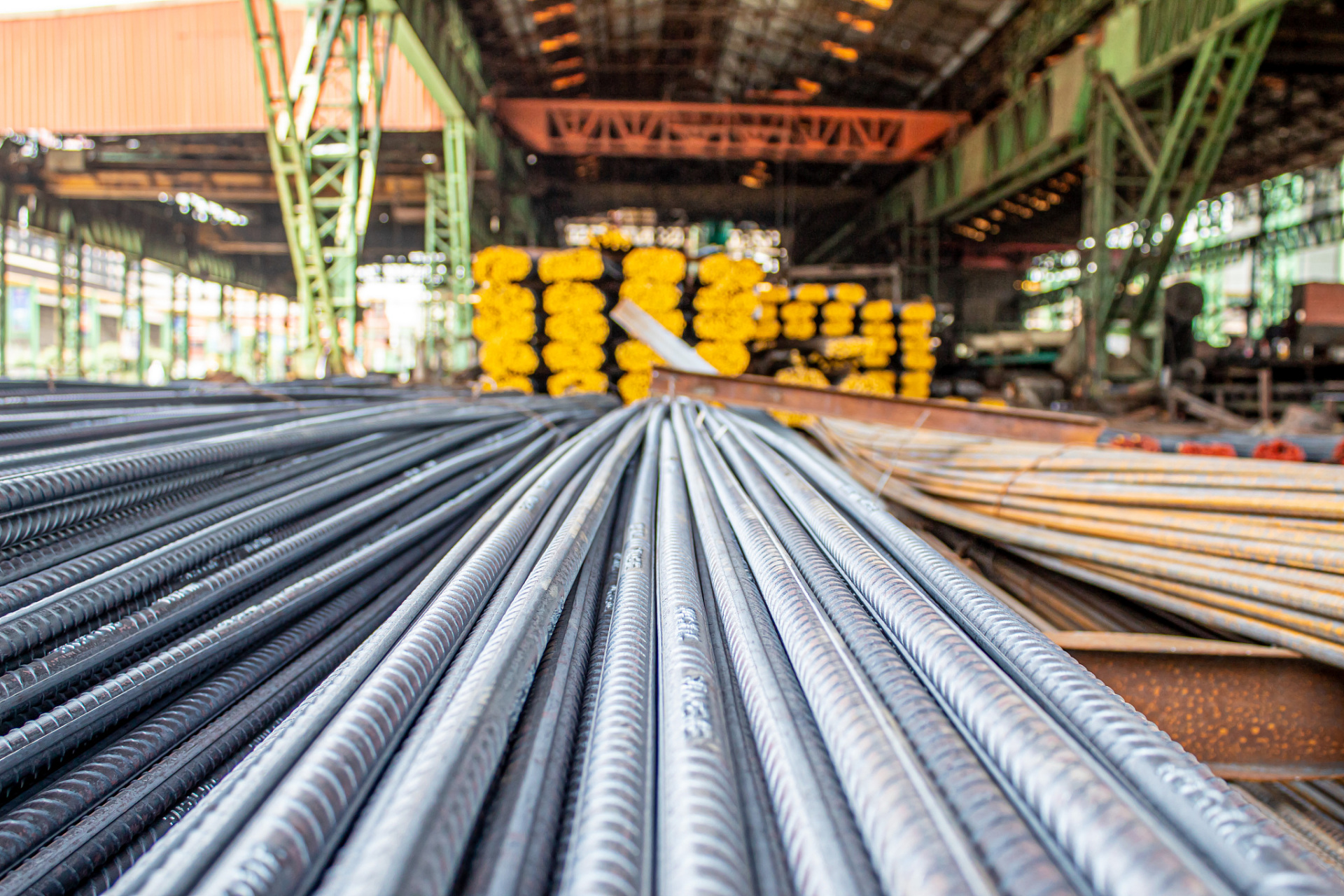
 Global Rebar Prices Set to Rise in Key Markets | Steel TrendsGlobal rebar prices are poised for growth as key markets like Turkey, Europe, the US, and China show mixed August trends. Learn about supply constraints, cost pressures, and demand shifts driving the market.
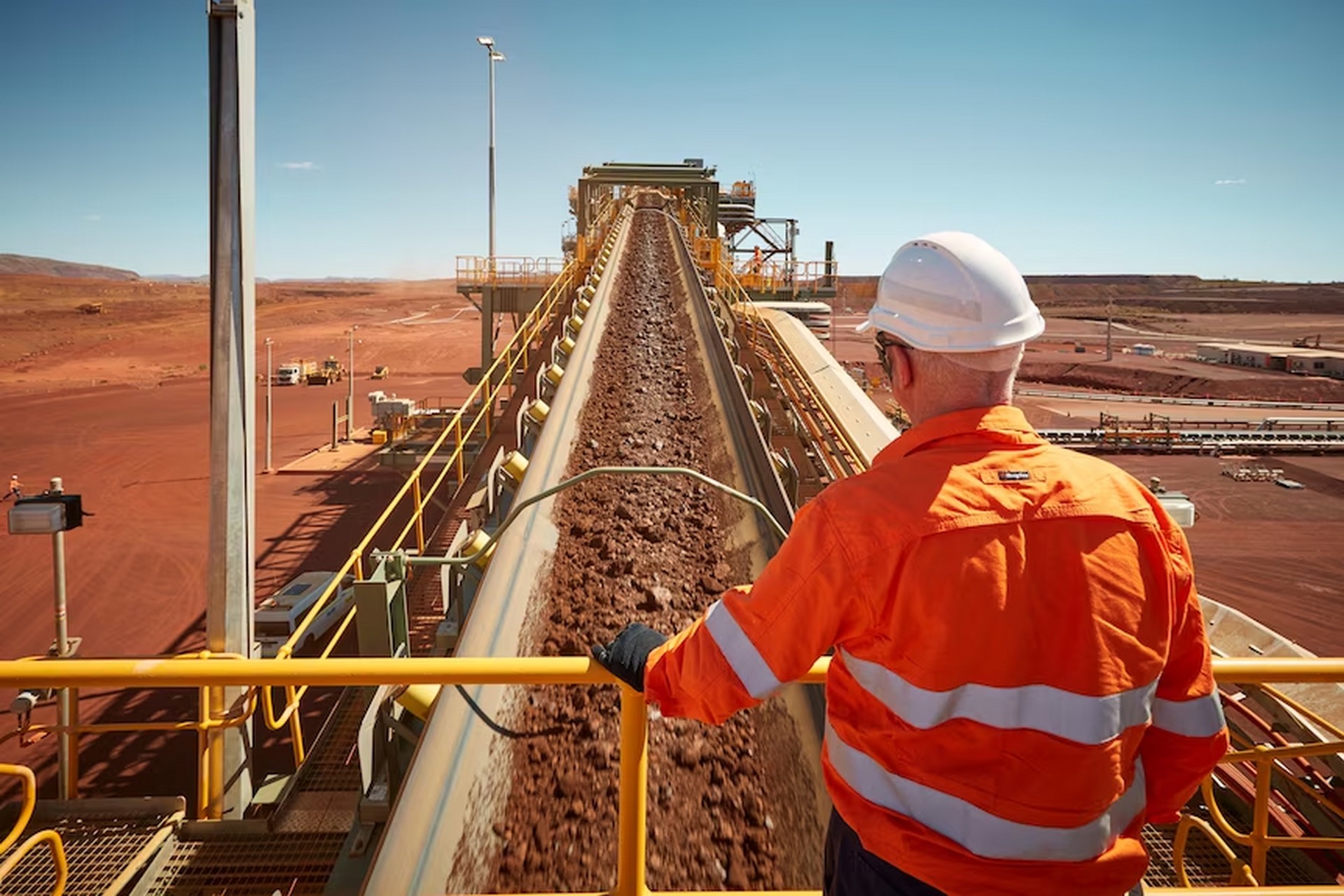
 Global iron ore exports remained stable in AugustGlobal iron ore exports held steady in August 2026, with Australia up 9.5% and Brazil flat, while South Africa declined 9.9%. Market caution persists due to China demand and coking coal price hikes.
 ArcelorMittal Raises Long Products Prices in Europe by €20/tArcelorMittal hikes long products prices in Europe by €20/tonne amid soaring energy costs — total increase now €45/t. Covers bar steel, rebar & wire rod.
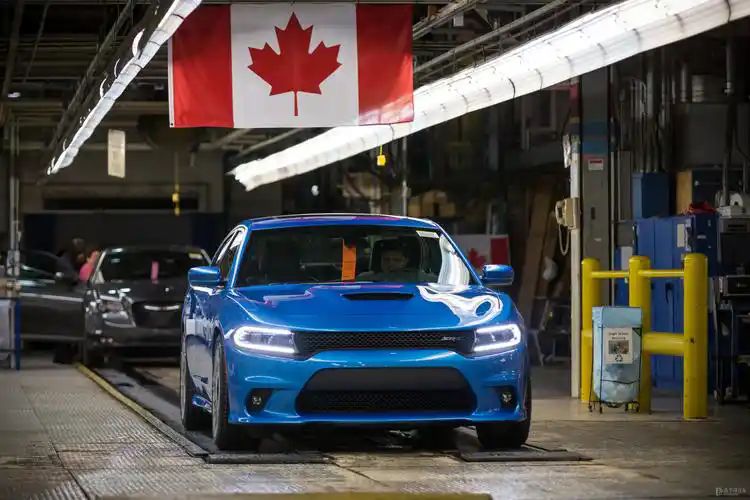
 Trump 50% Tariffs on Canadian Auto and Steel in 2027Trump announced 50% tariffs on Canadian auto and steel imports from 2027, escalating the U.S.-Canada trade war and price concerns.
 Q345B vs Q355B Upgrade: Key Steel Standard DifferencesLearn the key differences between Q345B and Q355B, including strength, composition, and how GB/T 1591-2018 aligns with S355JR.