NEWS
Trends in August varied depending on demand
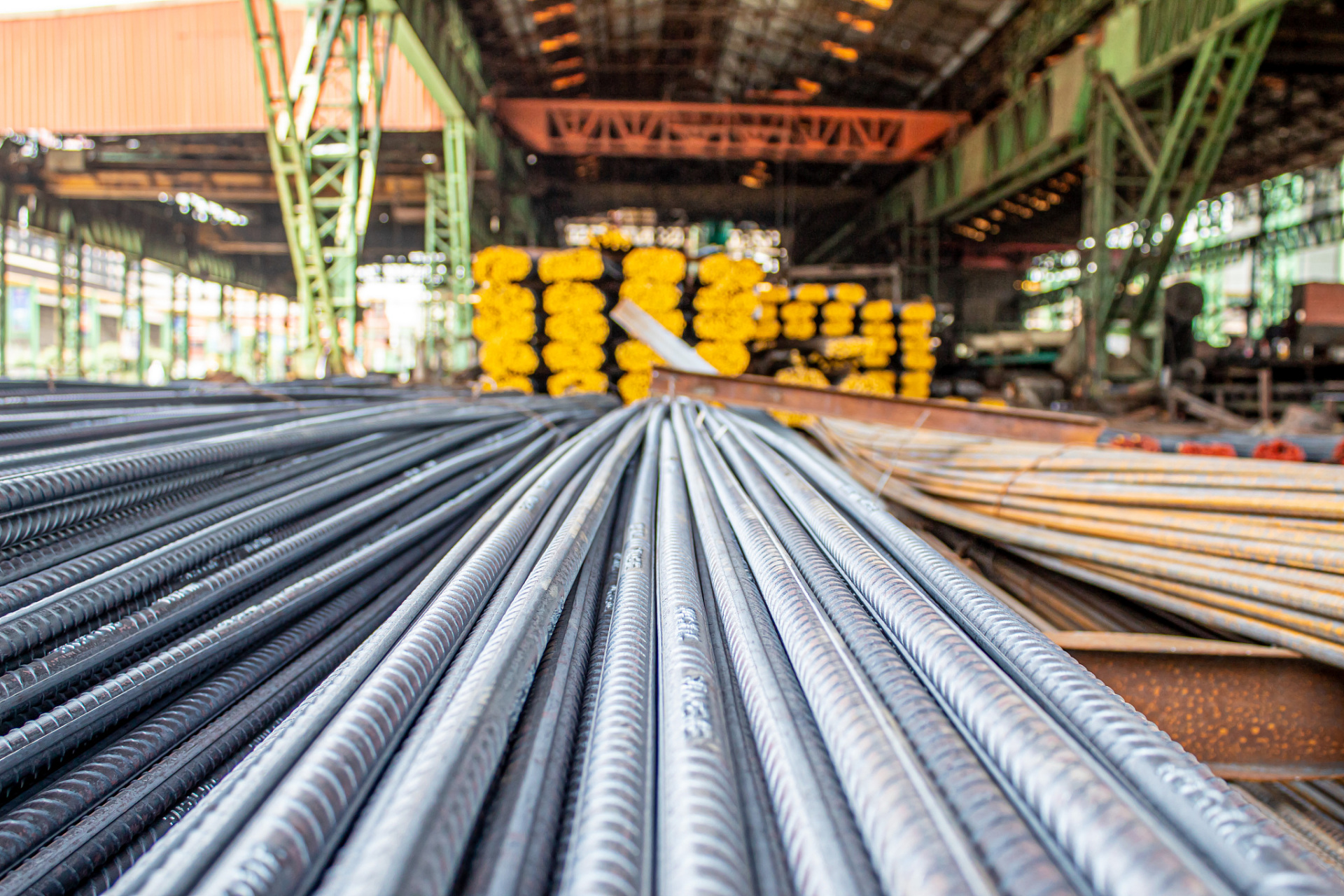
At the end of August, key rebar markets showed mixed price trends. The start of the month was sluggish in almost all markets. However, in Turkey, prices for this product were supported, amongst other factors, by limited supply of certain specifications, whilst in China they were driven by rising production costs and expectations of autumn demand. At the start of September, Turkish rebar prices continue to rise, European producers are seeking to increase them by €20–40/t, whilst in the US, the availability of imports is holding the market back.
Turkey
In August, domestic prices for Turkish rebar initially fell amid sluggish trading, but began to rise from the middle of the month due to a reduction in production and shortages of certain specifications. Over the course of the month, prices rose from $577/t to $590/t FOB and from $585/t to $602.5/t ex-works (excluding VAT) on the domestic market. Towards the end of the month, purchasing activity slowed slightly as buyers resisted further price rises; they replenished their stocks cautiously.
In early September, Turkish mills continued to raise their offer prices despite moderate market activity. Stable purchasing volumes were supported by a pick-up in the construction sector and, as in August, by limited supply of certain specifications. At the same time, the export market for these products remained sluggish amid weak demand.
As of the middle of the month, rebar prices in Turkey are still rising. At the same time, imported scrap has risen in price to a lesser extent, which has enabled steelmakers to increase their margins. Prices on the Turkish market are currently being supported by production restrictions, rising scrap costs and disruptions to billet supplies from the Black Sea region. Exports remain weak amid domestic recovery. As of 11 September, the price stands at $615/t FOB (+6.5% compared to 7 August).
Europe
In August, the European long products market remained sluggish due to the seasonal holiday period, low demand and weak trading activity. Towards the end of the month, buyers began to return, but the recovery in demand was slow.
In August, the price of rebar in Italy stood at €670/t ex-works, whilst in Northern Europe it averaged €677.5/t ex-works. As at 11 September, the figures stand at €680/t and €665.5/t respectively.
In early September, the market gradually picked up. Producers in Italy and Germany are seeking to raise prices by approximately €20–40/t. The Italian market is currently under pressure from rising costs, the price of semi-finished products and rolled steel at a global level. At the start of the month, some local producers even suspended sales following ArcelorMittal’s recent price increase of €25/t for reinforcing bars and other long products, driven by rising energy and transport costs. This is the company’s second price increase (following the €20/t rise in July), which has collectively raised the cost of its products by €45/t.
Demand in Germany at the start of autumn is being driven by infrastructure and defence projects, whilst residential construction remains weak. Local producers of long products are also seeking to raise prices due to higher operating costs.
USA
In August, rebar prices in the US remained largely stable thanks to the discipline shown by mills — producers avoided across-the-board price cuts, offering concessions only for large volumes. Weak demand from the construction sector was offset by the energy, infrastructure and data centre sectors. However, price rises for long products were limited by expectations of new rolling mill capacity coming on stream in the country, a fall in the cost of scrap from end-of-life vehicles, and the arrival of imports.
Regional conditions in August varied significantly — both in terms of demand and availability of rebar, and in terms of manufacturers’ order books and their willingness to negotiate with buyers. The average price of rebar last month stood at $1,022.3 per tonne US Midwest Ex-Works.
At the start of September, the pattern of demand distribution across sectors remains similar to that seen in August. The availability of imported products is limiting the rise in domestic prices. The prices at which imported materials are offered remain relatively close to domestic prices, even when logistics costs and customs duties are taken into account.
China
From mid-August, the market began to strengthen thanks to rising prices for coking coal and coke, improved macroeconomic expectations and hopes for a seasonal recovery in demand in the autumn. At the same time, weak end-user demand limited the extent of the growth. The average price for Chinese rebar in August stood at $444.76/t FOT Warehouse.
The trends seen at the end of August continued into early September. Several rounds of price rises for coke increased the cost of blast furnace steel production, laying the groundwork for further price stability in rebar. Rising costs of other raw materials also exerted additional pressure.
The market optimism at the start of autumn was also driven by expectations of a seasonal upturn in construction activity across the country — the traditional peak season in September and October. However, sustained price growth requires more robust end-user demand. Prices for long products in China are likely to fluctuate within narrow ranges in the near term. The latest rise in coke prices is putting pressure on mills’ margins and may trigger a cut in production. At the same time, activity in the construction sector is lower than expected. As of 11 September, the price stands at $463.75/t FOT Warehouse (+5.4% compared with 7 August).


 Global Rebar Prices Set to Rise in Key Markets | Steel TrendsGlobal rebar prices are poised for growth as key markets like Turkey, Europe, the US, and China show mixed August trends. Learn about supply constraints, cost pressures, and demand shifts driving the market.
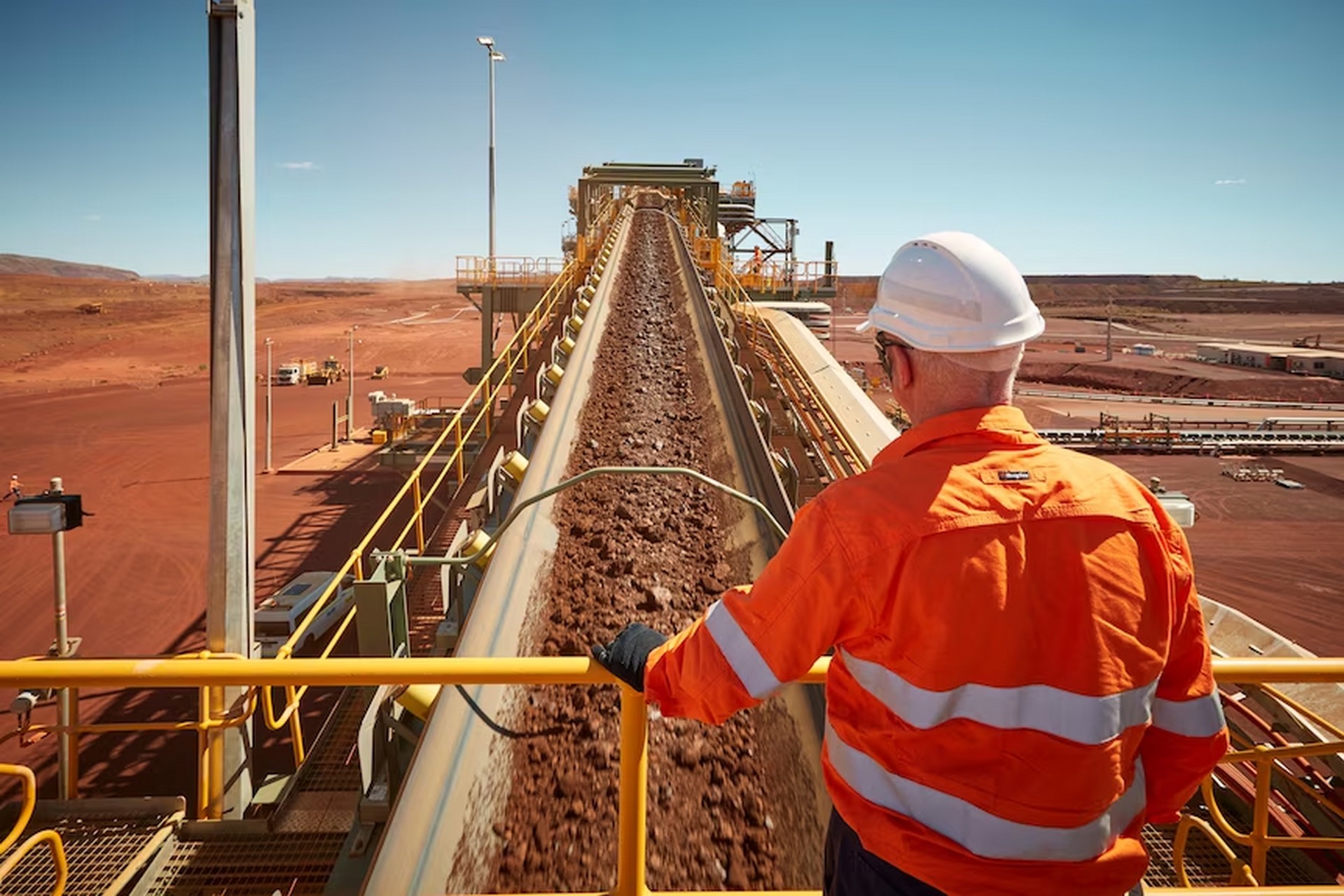
 Global iron ore exports remained stable in AugustGlobal iron ore exports held steady in August 2026, with Australia up 9.5% and Brazil flat, while South Africa declined 9.9%. Market caution persists due to China demand and coking coal price hikes.
 ArcelorMittal Raises Long Products Prices in Europe by €20/tArcelorMittal hikes long products prices in Europe by €20/tonne amid soaring energy costs — total increase now €45/t. Covers bar steel, rebar & wire rod.
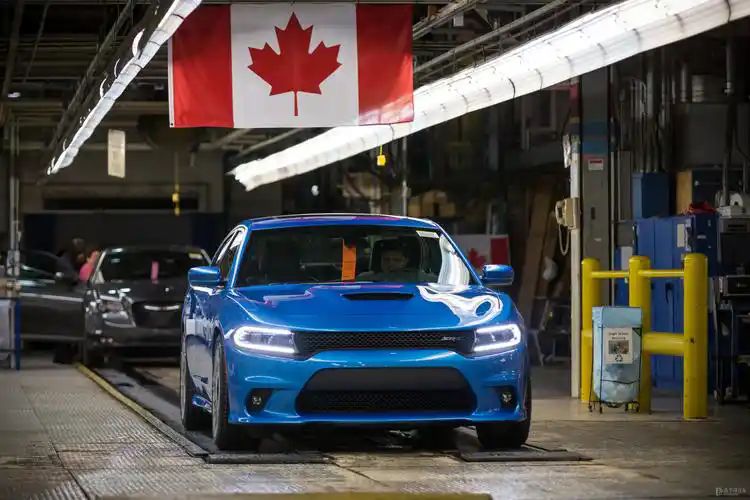
 Trump 50% Tariffs on Canadian Auto and Steel in 2027Trump announced 50% tariffs on Canadian auto and steel imports from 2027, escalating the U.S.-Canada trade war and price concerns.
 Q345B vs Q355B Upgrade: Key Steel Standard DifferencesLearn the key differences between Q345B and Q355B, including strength, composition, and how GB/T 1591-2018 aligns with S355JR.
 Formosa Cuts Vietnam HRC Prices for September SalesFormosa lowered Vietnam HRC prices for September sales as weak demand and cheaper imports continue to pressure the local steel market.