NEWS
According to the American Iron and Steel Institute (AISI), in the week ending on August 2, 2025, US domestic raw steel production was 1.782 million net tons while the capacity utilization rate was 78.7 percent.
Production for the week ending on August 2, 2025, is up 0.3 percent from the previous week ending July 26, 2025, when production was 1.777 million net tons and the rate of capacity utilization was 78.4 percent.
Production was 1.705 million net tons in the week ending August 2, 2024, while the capacity utilization was 76.8 percent. The current week's production represents a 4.5 percent increase from the same period in the previous year.
Adjusted year-to-date production through August 2, 2025, was 52.346 million net tons, at a capacity utilization rate of 76.4 percent That is up 1.1 percent from the 51.766 million net tons during the same period last year, when the capacity utilization rate was 76.2 percent.
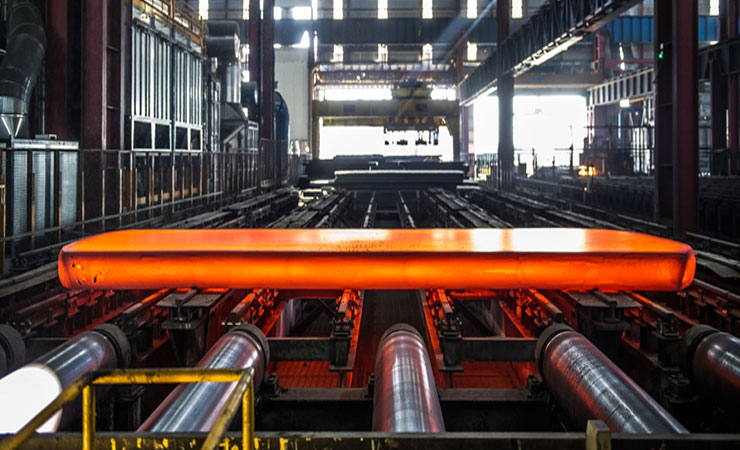
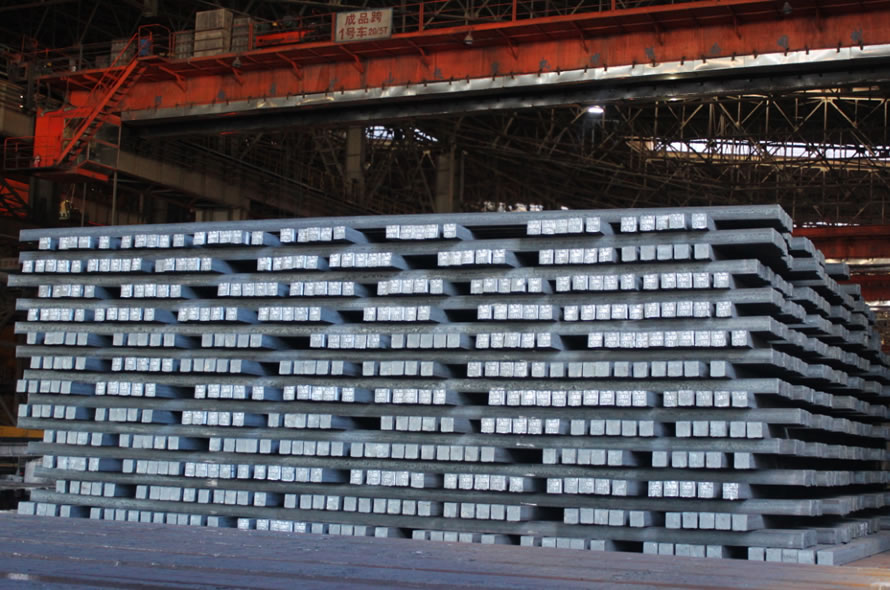
A steel billet is a fundamental semi-finished casting product, forming a crucial link between molten steel and a vast array of finished goods. Typically produced with a square or rectangular cross-section (common dimensions range from approximately 150x150 mm to 400x400 mm), billets are characterized by their solid, dense structure and relatively short length compared to blooms or slabs. They are the direct output of the continuous casting process or result from further processing (like rolling or cutting) of larger ingots or blooms. The primary purpose of a billet is to serve as the feedstock for subsequent hot working operations, such as rolling, extruding, or forging, where it will be reshaped into final products like bars, rods, wires, seamless tubes, or complex forged components. Common steel grades used for billets include carbon steels, alloy steels, and tool steels, tailored to the end-use requirements.
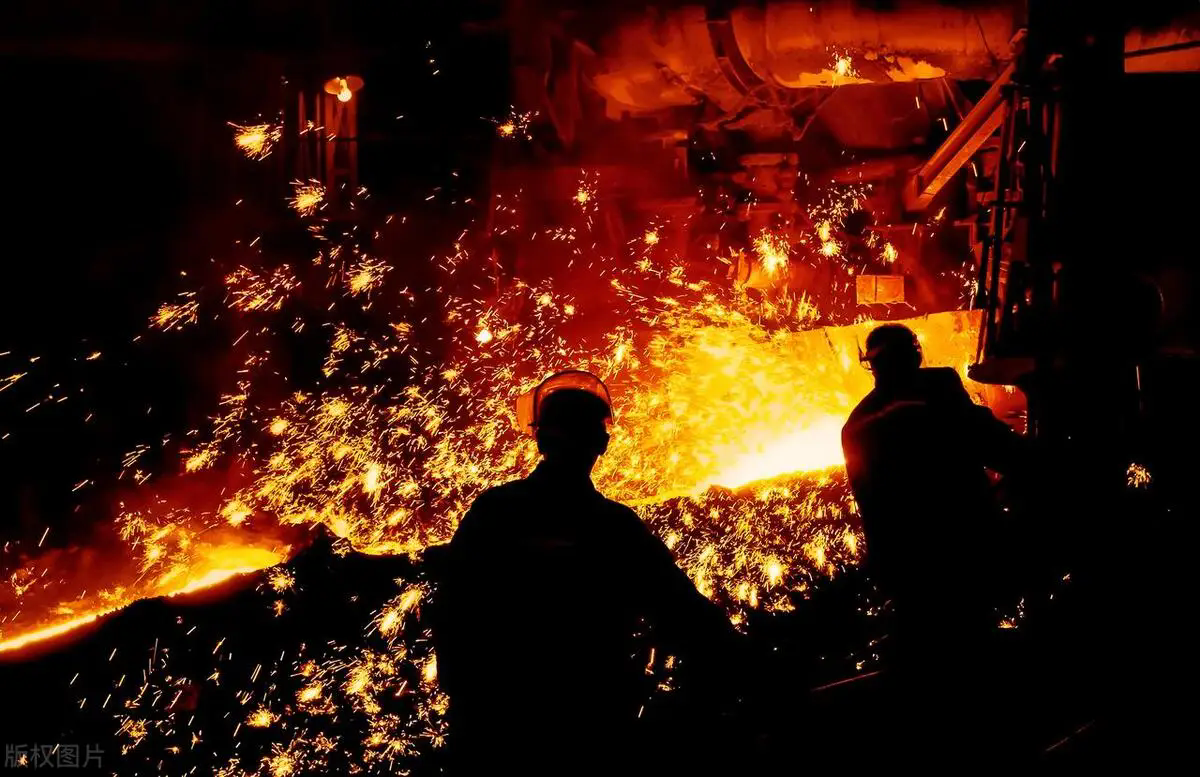
The dominant production method today is continuous casting, where molten steel from a furnace (Basic Oxygen Furnace or Electric Arc Furnace) is poured into a water-cooled mold. As the steel solidifies at the mold walls, it's continuously withdrawn as a solidifying strand, which is then precisely cut into predetermined billet lengths. This highly efficient process offers significant advantages over traditional ingot casting, including superior yield, improved internal quality, reduced energy consumption, and better dimensional consistency. Key quality parameters for billets include surface condition (free from major cracks, seams, or scabs), internal soundness (minimizing porosity and segregation), precise dimensional tolerances, and consistent chemical composition throughout the length. Rigorous inspection and conditioning (grinding, scarfing) ensure the billet meets the necessary standards before further processing.
Steel billets are the indispensable starting point for a massive segment of the steel industry. Their primary application is in long product mills, where they are reheated and rolled into various profiles like reinforcing bars (rebar), merchant bars (rounds, squares, flats, hexagons), wire rods (for nails, fencing, springs, wire mesh), and structural sections (angles, channels). Billets are also vital feedstock for seamless tube and pipe mills, being pierced and rolled into hollows. Furthermore, they are extensively used in the forging industry to manufacture high-strength components for automotive (crankshafts, connecting rods), aerospace, oil & gas, and heavy machinery sectors through processes like drop forging or press forging. In essence, steel billets provide the versatile, high-quality raw material that enables the efficient, large-scale production of countless essential steel products that form the backbone of modern infrastructure and manufacturing.


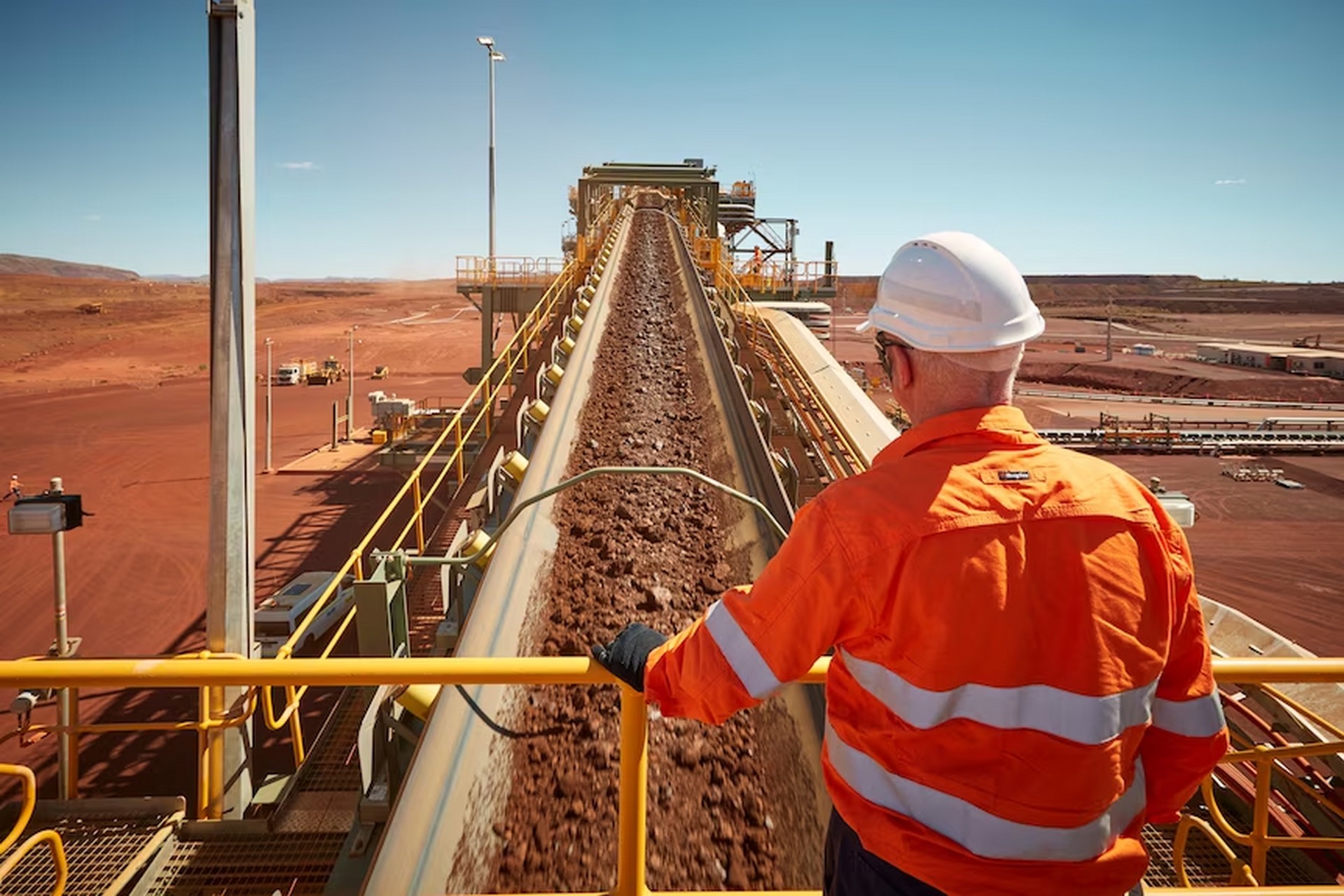
 Global iron ore exports remained stable in AugustGlobal iron ore exports held steady in August 2026, with Australia up 9.5% and Brazil flat, while South Africa declined 9.9%. Market caution persists due to China demand and coking coal price hikes.
 ArcelorMittal Raises Long Products Prices in Europe by €20/tArcelorMittal hikes long products prices in Europe by €20/tonne amid soaring energy costs — total increase now €45/t. Covers bar steel, rebar & wire rod.
 Trump 50% Tariffs on Canadian Auto and Steel in 2027Trump announced 50% tariffs on Canadian auto and steel imports from 2027, escalating the U.S.-Canada trade war and price concerns.
 Q345B vs Q355B Upgrade: Key Steel Standard DifferencesLearn the key differences between Q345B and Q355B, including strength, composition, and how GB/T 1591-2018 aligns with S355JR.
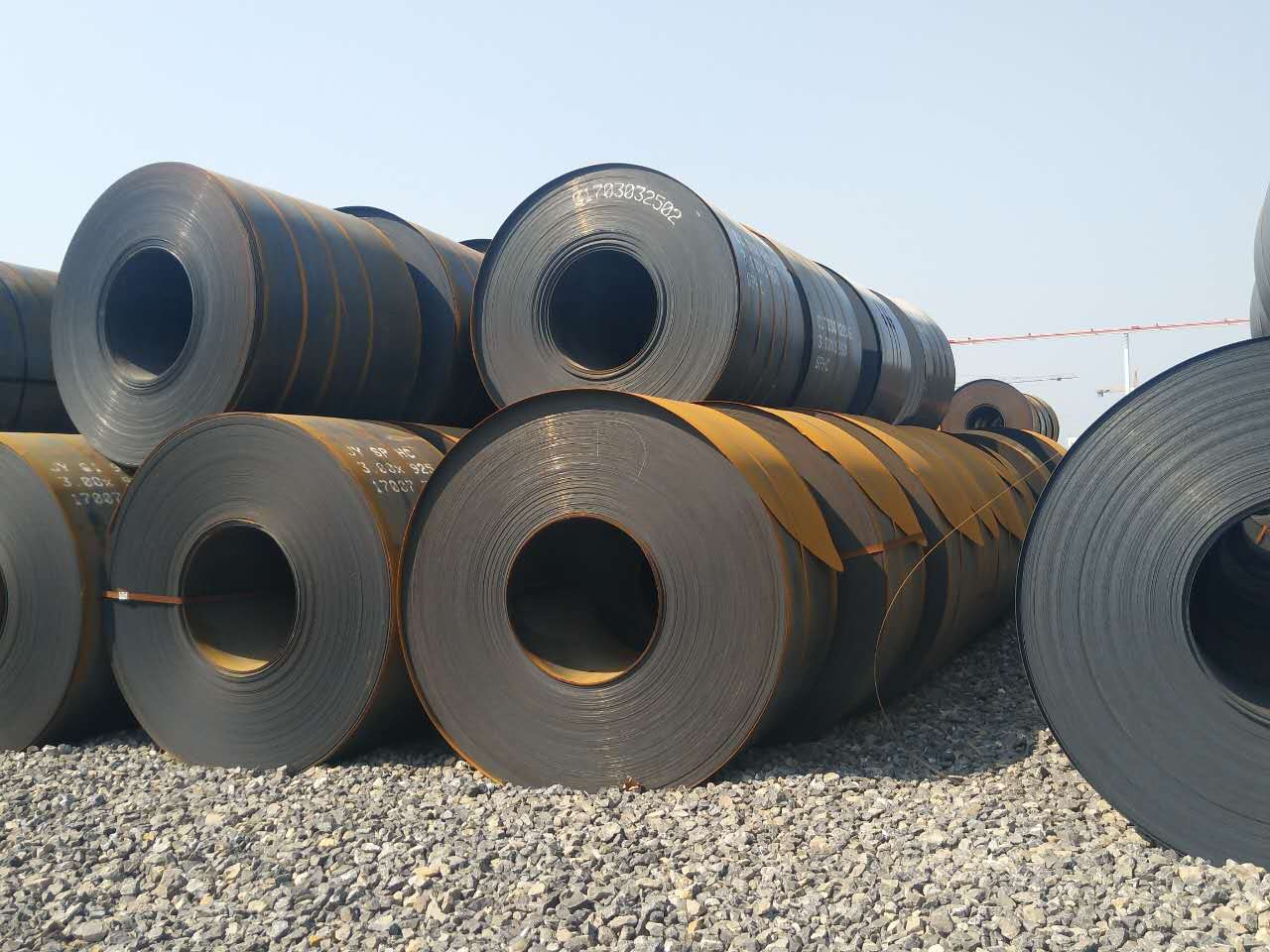
 Formosa Cuts Vietnam HRC Prices for September SalesFormosa lowered Vietnam HRC prices for September sales as weak demand and cheaper imports continue to pressure the local steel market.
 Prices On Regional Slab Markets Fell By $3 Per Tonne In JulyRegional slab prices fell by $3/t in July, led by lower Brazilian export slab prices and softer demand across key steel markets.