NEWS
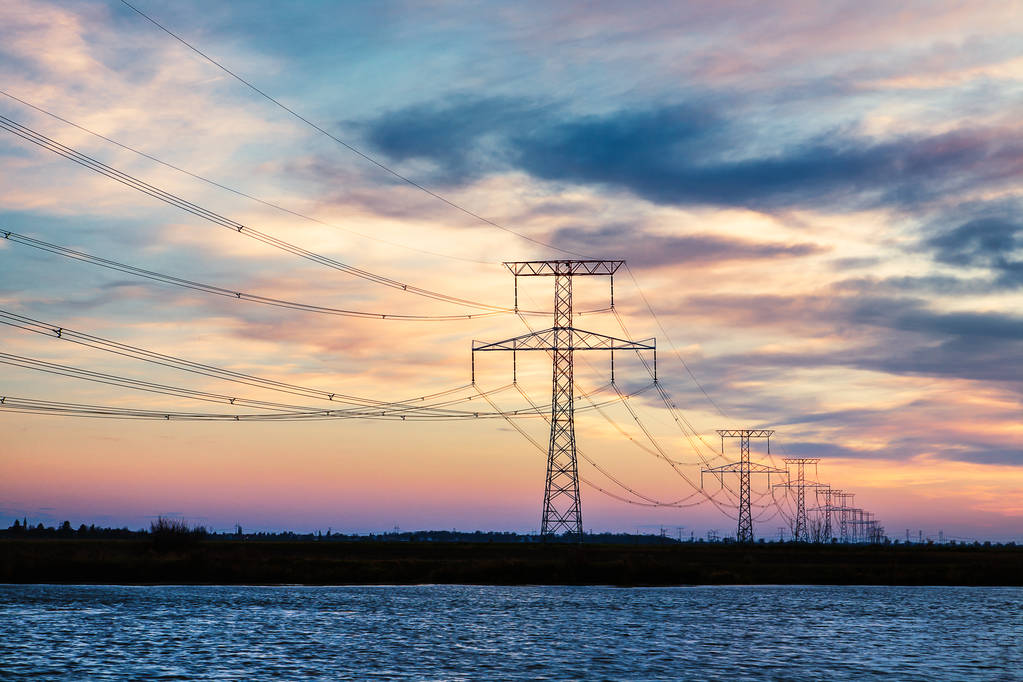
The EC has identified 7 steps to achieve this goal
The European Commission (EC) is doubling its efforts to reduce energy prices and ease the situation for industrial and domestic consumers. This is stated in a press release from the institution.
“Energy prices in Europe remain too high compared to competitors, which creates a risk of hindering the competitiveness of key industrial players and the economy as a whole, as well as the quality of life of citizens,” the EC notes.
Based on the Affordable Energy Action Plan proposed at the beginning of the current EC’s term, the European Commission has identified seven specific measures to be implemented in close cooperation with member states.
The EC calls on Member States to make full use of the extended state aid system (CISAF). The revised system opens up opportunities to support energy-intensive industries by reducing prices and supporting their decarbonisation. By the end of the year, the Commission will provide further guidance and assistance on the development of national schemes.
EU countries should also make maximum use of the EU Cohesion Fund under the new mid-term review system to invest in national networks and energy storage capacities. Member States can submit a revised plan by the end of the year. The EC will provide support in developing individual solutions for investing unused funds.
EU Member States should also encourage industrial players to engage with key financial actors, such as the European Investment Bank (EIB) and national promotional banks, on financial opportunities and risk mitigation mechanisms, in particular with regard to power purchase agreements. For example, the EC and the EIB recently launched a €500 million pilot program to support more corporate PPAs.
Slow permitting is holding back the development of renewable energy and storage, and grid expansion. The EC is calling on Member States to take advantage of the opportunities offered by the revised Renewable Energy Directive. New measures to speed up and streamline permitting will also be proposed by the end of the year.
Member States should step up their efforts to improve cross-border interconnections. The EC will soon propose new measures as part of the Grids Package and present the Energy Highways initiative to address eight key bottlenecks in the Energy Union.
The EC stresses the importance of diversifying gas supplies by cooperating with reliable and trusted partners such as the US, Norway, Qatar, and others.


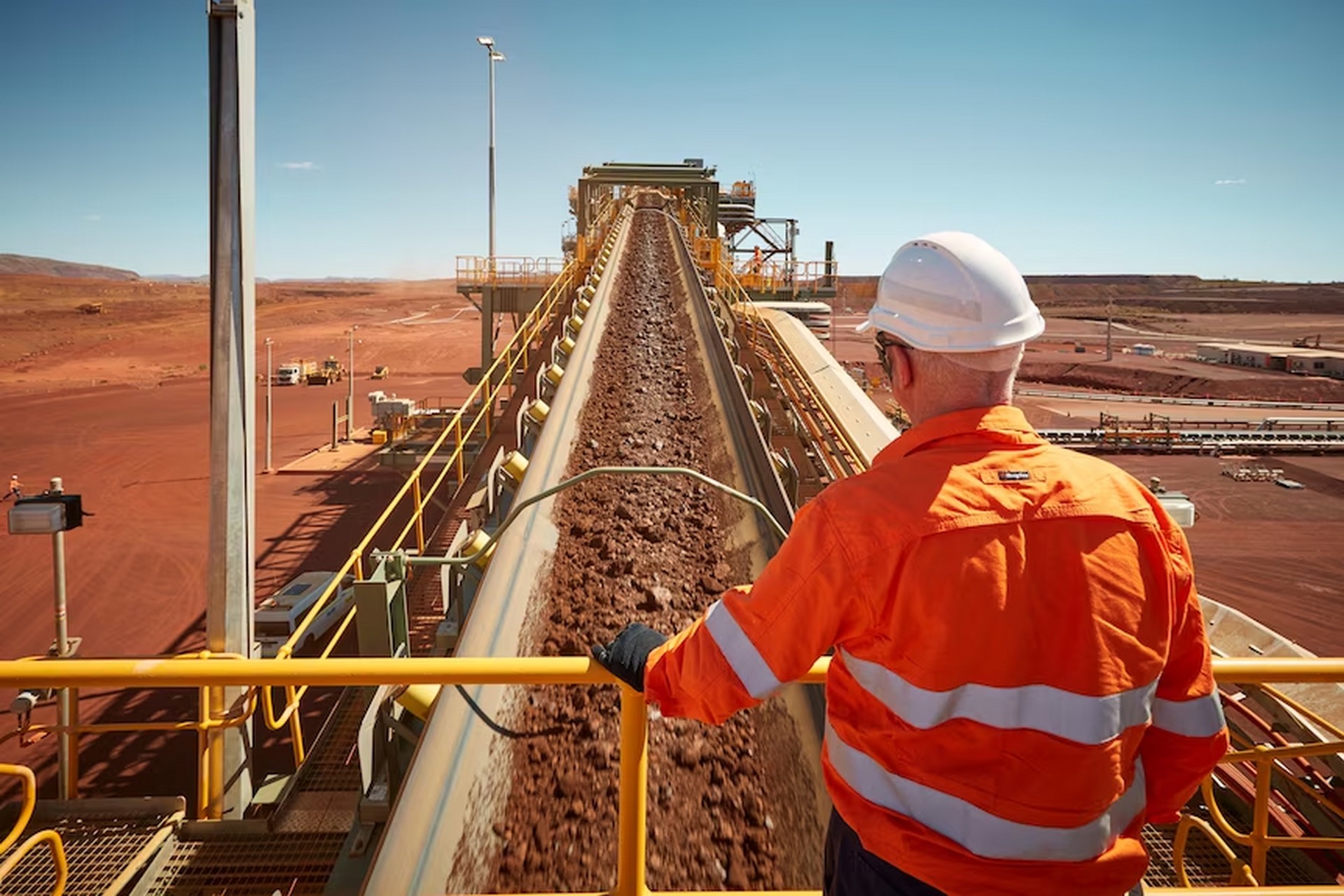
 Global iron ore exports remained stable in AugustGlobal iron ore exports held steady in August 2026, with Australia up 9.5% and Brazil flat, while South Africa declined 9.9%. Market caution persists due to China demand and coking coal price hikes.
 ArcelorMittal Raises Long Products Prices in Europe by €20/tArcelorMittal hikes long products prices in Europe by €20/tonne amid soaring energy costs — total increase now €45/t. Covers bar steel, rebar & wire rod.
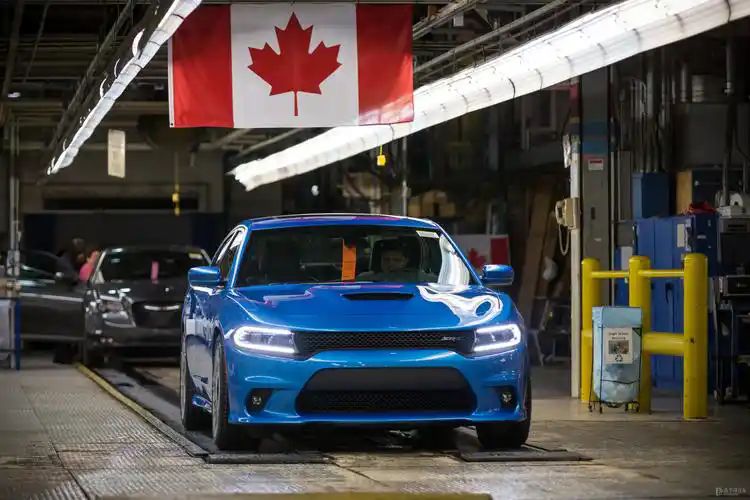
 Trump 50% Tariffs on Canadian Auto and Steel in 2027Trump announced 50% tariffs on Canadian auto and steel imports from 2027, escalating the U.S.-Canada trade war and price concerns.
 Q345B vs Q355B Upgrade: Key Steel Standard DifferencesLearn the key differences between Q345B and Q355B, including strength, composition, and how GB/T 1591-2018 aligns with S355JR.
 Formosa Cuts Vietnam HRC Prices for September SalesFormosa lowered Vietnam HRC prices for September sales as weak demand and cheaper imports continue to pressure the local steel market.
 Prices On Regional Slab Markets Fell By $3 Per Tonne In JulyRegional slab prices fell by $3/t in July, led by lower Brazilian export slab prices and softer demand across key steel markets.